Knee pain is one of the most common reasons people seek physiotherapy and it can have many different causes. Our physiotherapists assess the knee as part of the whole lower limb, because the source of knee pain is not always where you feel it.
The knee depends on strength, stability and good alignment throughout the lower limb. A problem at the hip or ankle can often cause or contribute to knee pain, which is why a full-limb assessment is so important.
Our treatment combines hands-on therapy to address affected structures with carefully targeted exercise to restore strength, stability and movement, progressing you safely back to the activities you want to do.
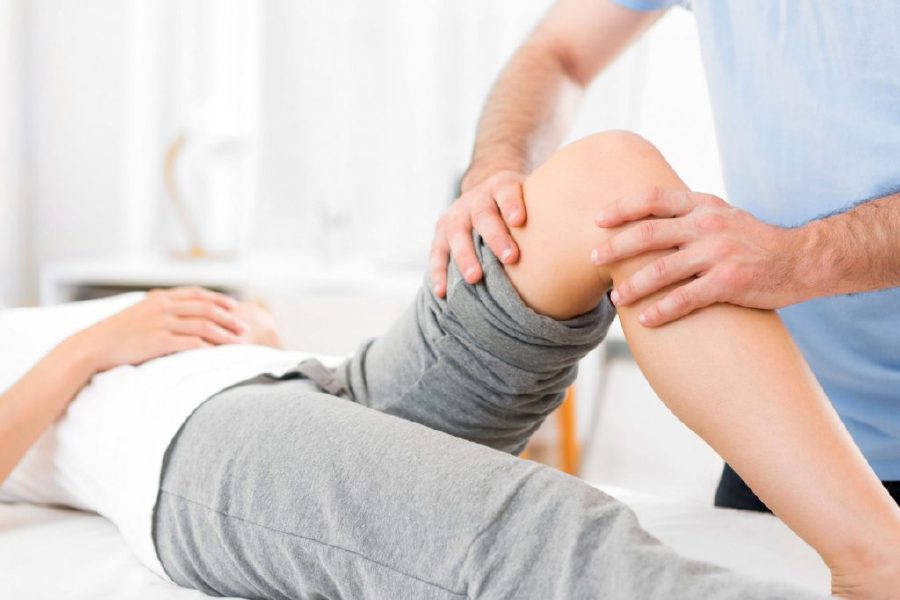
These are the most common presentations we see. Every patient is different, and your physiotherapist will assess your individual symptoms thoroughly.
Discomfort when bending, straightening, squatting, climbing stairs or getting up from a chair.
Puffiness around the knee joint, sometimes with warmth, indicating inflammation or fluid.
Reduced range of motion, particularly in the morning or after sitting for a while.
Audible or palpable clicking or a sensation of the knee catching.
A feeling of the knee buckling, often associated with ligament weakness.
Pain at the front of the knee around the kneecap, often worse going downstairs or running.
Your treatment plan will be tailored to you specifically. Here is what a typical course of physiotherapy for knee pain looks like at Urmston Physio Clinic.
Yes. Exercise therapy and manual physiotherapy are among the most evidence-based treatments for knee osteoarthritis. Physiotherapy cannot reverse arthritic changes but it can significantly reduce pain and improve function. Many people with knee arthritis avoid or delay surgery with appropriate physiotherapy.
A mild muscle strain may resolve in 2 to 4 weeks. Ligament injuries can take 6 to 12 weeks. ACL reconstruction rehabilitation typically takes 9 to 12 months. Starting treatment early and following a structured programme makes a significant difference.
Yes. Patellofemoral pain responds well to physiotherapy. Treatment focuses on identifying the biomechanical factors causing the kneecap to track incorrectly and addressing these through targeted hip and quad strengthening and movement retraining.
Not usually. The right exercise is typically a key part of recovery. Complete rest often leads to weakness that makes things worse. Your physiotherapist will advise on what to do and what to avoid based on your diagnosis.
Our physiotherapists have extensive experience treating knee pain. A thorough assessment is the first step to understanding what is causing your problem and what can be done about it.
Initial consultations are 45 minutes and cost £60. Same-week appointments are usually available.
BUPA, AXA, Aviva and WPA recognised.